
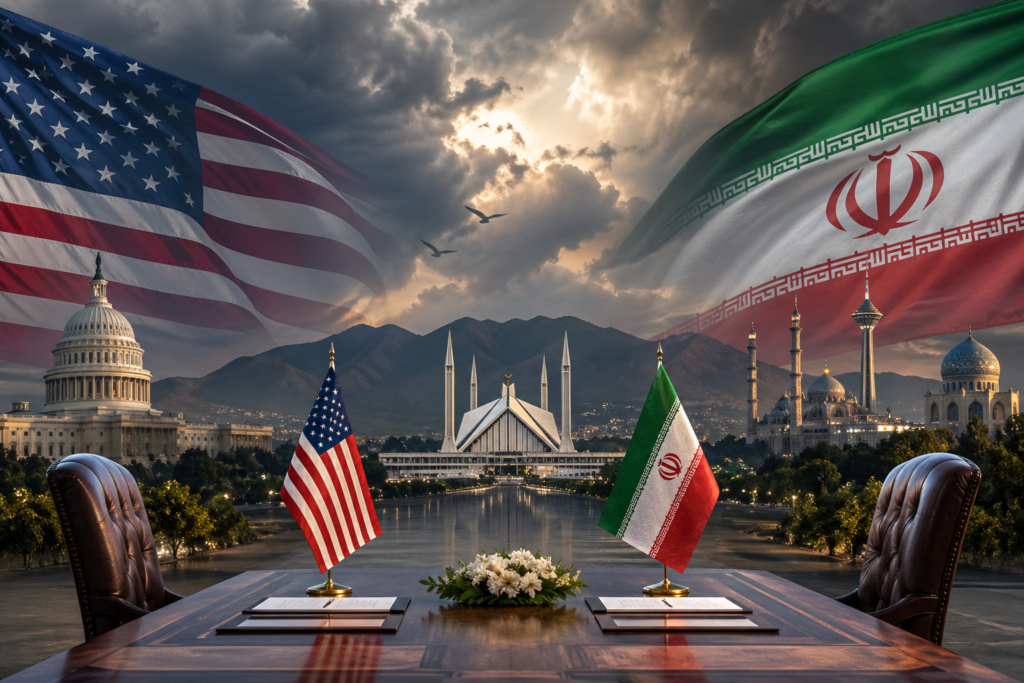
The much-anticipated Islamabad Peace Talks 2.0 between the United States and Iran were expected to bring a breakthrough in one of the most dangerous geopolitical conflicts of 2026. Instead, what unfolded was a tense diplomatic standoff, raising serious concerns about global security, oil markets, and the future of Middle East stability.
With Pakistan stepping in as a mediator, the world watched closely as both nations attempted to negotiate an end to escalating tensions. But despite high expectations, the talks faced delays, cancellations, and ultimately, a disappointing lack of progress.
So what exactly happened—and why does it matter more than ever?
Background: The US–Iran Conflict Escalation
The ongoing tensions between the US and Iran didn’t just appear overnight. The conflict has been brewing for decades, largely centered around Iran’s nuclear ambitions, US sanctions, and regional influence in the Middle East.
In early 2026, the situation escalated into open confrontation, involving naval blockades, proxy conflicts, and economic warfare. A fragile ceasefire temporarily paused direct hostilities, creating a narrow window for diplomacy.
That’s where Islamabad stepped in.
Pakistan positioned itself as a neutral ground, aiming to bridge the gap between Washington and Tehran. The first round of talks showed some promise—but ultimately failed to deliver a concrete agreement.
What Were Islamabad Peace Talks 2.0 Supposed to Achieve?
The second round of talks had ambitious goals:
- Establish a permanent ceasefire
- Address Iran’s nuclear program
- Ease economic sanctions
- Resolve tensions over the Strait of Hormuz
- Create a framework for regional security
At first glance, it sounded like a solid plan. But the reality? Way messier.
Deep-rooted mistrust and conflicting demands made progress incredibly difficult.
Major Developments: What Changed in Talks 2.0
1. Last-Minute Cancellation by the United States
In a dramatic twist, the US abruptly canceled its delegation’s visit to Islamabad. This move alone shook the entire negotiation process.
Reports suggest the US leadership believed the talks would be unproductive, citing internal disagreements within Iran and lack of meaningful concessions.
That’s basically like showing up to a wedding and leaving before the nikah—awkward and messy.
2. Iran’s Strategic Hesitation
Iran also played its cards carefully. At multiple points, Tehran showed reluctance to fully commit to the talks, demanding that sanctions and blockades be lifted first.
Iran insisted that negotiations could not happen under pressure or military threats.
From their perspective, it’s like being asked to negotiate while someone’s still holding your wallet hostage.
3. Pakistan’s Diplomatic Role Intensifies
Pakistan didn’t just host—it actively mediated.
Leaders engaged with Iranian officials and attempted to revive stalled negotiations.
Despite these efforts, the absence of direct US participation significantly weakened the process.
4. Islamabad Under Lockdown
Security in Islamabad reached extreme levels.
Major roads were sealed, businesses were disrupted, and the capital effectively went into lockdown during the expected talks.
For locals, it wasn’t just geopolitics—it was daily life being flipped upside down.
5. No Direct Meeting Between US and Iran
Perhaps the most shocking part?
The two sides didn’t even sit down together in Islamabad.
Despite weeks of preparation, the talks ended without meaningful engagement.
Imagine organizing a group project and half the team just doesn’t show up. Yeah… that energy.
Core Issues That Blocked Progress
Nuclear Program Dispute
The US demanded that Iran completely abandon its nuclear ambitions.
Iran refused.
This remains the single biggest roadblock—and honestly, it’s not getting solved anytime soon.
Strait of Hormuz Crisis
The Strait of Hormuz, a critical global oil route, has become a major flashpoint.
Iran’s control and US blockades have disrupted global energy markets, increasing pressure on both sides.
This isn’t just politics—it’s your petrol prices going wild.
Lack of Trust
Both countries fundamentally distrust each other.
- The US doubts Iran’s intentions
- Iran distrusts US commitments
And without trust, diplomacy becomes… well, vibes-based—and not in a good way.
Global Impact: Why This Matters
1. Oil Prices and Economy
Any instability in the Middle East directly affects global oil supply.
With the Strait of Hormuz under tension, energy markets are already feeling the heat.
2. Regional Security
The conflict isn’t isolated.
It involves proxy groups, neighboring countries, and even global powers. Continued failure in diplomacy could trigger wider instability.
3. Pakistan’s Global Role
Pakistan’s role as a mediator has elevated its diplomatic standing.
Even though talks didn’t succeed, the effort itself signals Pakistan’s growing importance in global diplomacy.
Is There Still Hope for Peace?
Short answer: Yes—but it’s complicated.
Despite the collapse of Islamabad Talks 2.0, backchannel diplomacy is still ongoing. Iran has engaged with regional players like Oman, and there are indications that future negotiations may still happen.
However, the road ahead is long and unpredictable.
What Could Happen Next?
Here are the most likely scenarios:
1. Renewed Talks (Talks 3.0?)
If tensions ease slightly, both sides may return to the table—possibly in a different location.
2. Continued Stalemate
This is the most realistic outcome right now.
No war, no peace—just ongoing tension.
3. Escalation of Conflict
If diplomacy continues to fail, military escalation becomes a real risk.
And that’s the scenario nobody wants—but everyone is preparing for.
Final Thoughts: A Diplomatic Cliffhanger
Islamabad Peace Talks 2.0 had all the ingredients of a historic breakthrough—but ended up as a missed opportunity.
From last-minute cancellations to deep-rooted disagreements, the talks highlighted just how complex US–Iran relations have become.
Still, diplomacy rarely works in one go. It’s messy, slow, and full of setbacks.
If anything, Islamabad proved one thing:
The world is trying—but the gap is still massive.