
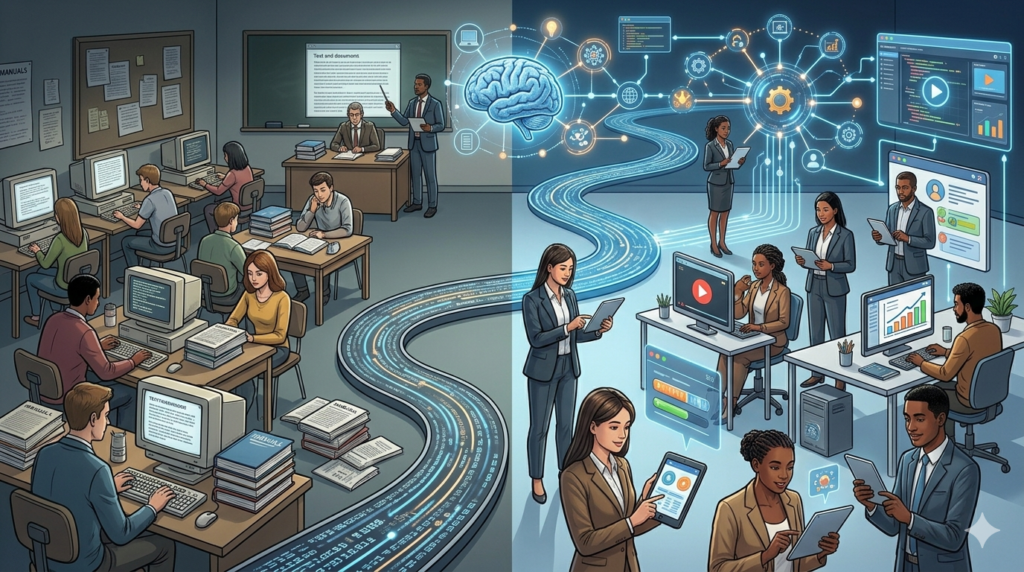
Corporate training has officially entered its “we need to do better” era. Long classroom sessions, outdated PowerPoint slides, and one-size-fits-all training programs just don’t cut it anymore. Employees expect flexibility, engagement, and real value from learning—and companies that fail to deliver fall behind fast.
This is exactly why a modern Learning Management System (LMS) is no longer optional. It’s a strategic business tool that helps organizations train smarter, scale faster, and retain top talent.
Let’s break down why corporate training needs a modern LMS now more than ever.
1. Corporate Learning Has Changed — Traditional Training Hasn’t
The way people consume information has completely transformed. Employees are used to learning from videos, interactive content, and short, focused lessons. Traditional corporate training methods—lengthy workshops, static manuals, and passive lectures—feel outdated and ineffective.
A modern LMS supports:
-
Microlearning modules
-
Video-based training
-
Interactive quizzes and assessments
-
Self-paced learning
Instead of forcing employees into rigid schedules, a modern LMS adapts to how people actually learn today.
2. Remote and Hybrid Work Demand Digital Training Solutions
With remote and hybrid work becoming the norm, organizations can no longer rely on in-person training alone. Teams are distributed across cities, countries, and time zones.
A modern LMS enables:
-
Anytime, anywhere access to training
-
Consistent learning experiences for remote teams
-
Faster onboarding for new hires
-
Reduced dependency on live sessions
Corporate training must work beyond office walls—and an LMS makes that possible.
3. Personalized Learning Improves Employee Performance
One of the biggest weaknesses of traditional training is its lack of personalization. Different roles, experience levels, and learning styles all require different approaches.
Modern LMS platforms allow:
-
Role-based learning paths
-
Skill-gap analysis
-
Adaptive course recommendations
-
Self-paced progression
When employees receive training relevant to their role, they learn faster, perform better, and stay more engaged.
4. Managers Can Focus on Coaching Instead of Repeating Training
In many organizations, managers spend too much time repeating the same training sessions. This leads to burnout and inconsistent learning outcomes.
A modern LMS:
-
Automates repetitive training
-
Tracks employee progress
-
Provides performance insights
-
Supports continuous feedback
This allows managers to shift from being content deliverers to actual coaches and mentors, which improves leadership effectiveness across the organization.
5. Data-Driven Insights Make Training Smarter
Guesswork has no place in modern corporate training. Organizations need real data to understand what’s working and what isn’t.
A modern LMS provides:
-
Completion rates and engagement metrics
-
Assessment and quiz performance
-
Skill gap identification
-
Training ROI analysis
These insights help organizations continuously improve training programs and align learning with business goals.
6. Compliance Training Becomes Simple and Trackable
Compliance training is critical—but often ignored until problems arise. A modern LMS ensures that compliance requirements are met without unnecessary friction.
Key features include:
-
Automated compliance reminders
-
Certification tracking
-
Audit-ready reporting
-
Easy content updates
This reduces risk while ensuring employees stay informed and compliant.
7. Scalable Corporate Training Without Growing Costs
As companies grow, training becomes more complex and expensive. Traditional training methods don’t scale well and often require additional instructors, sessions, and resources.
A modern LMS:
-
Scales effortlessly with company growth
-
Supports thousands of learners
-
Centralizes training content
-
Reduces long-term training costs
This makes it ideal for fast-growing organizations and enterprises alike.
8. Stronger Employee Onboarding Experience
First impressions matter. A disorganized onboarding experience can impact employee confidence and retention.
With a modern LMS, onboarding becomes:
-
Structured and role-specific
-
Consistent across teams
-
Easy to track and measure
-
Engaging from day one
New hires feel supported, informed, and ready to contribute faster.
9. Learning Becomes a Continuous Habit
Employees often view training as a task rather than an opportunity. A modern LMS changes that mindset.
Through features like:
-
Gamification
-
Progress tracking
-
Badges and achievements
-
Continuous learning paths
Learning becomes part of the company culture rather than a one-time event.
10. Competitive Advantage Through Skill Development
Companies that invest in employee development outperform those that don’t. A modern LMS helps organizations stay competitive by enabling continuous upskilling and reskilling.
Benefits include:
-
Higher employee retention
-
Faster skill acquisition
-
Improved productivity
-
Better innovation outcomes
In competitive markets, learning agility is a serious advantage.
11. Employees Expect Modern Technology
Employees use intuitive apps in their daily lives—and they expect the same from workplace tools. If training systems feel outdated, engagement drops immediately.
A modern LMS offers:
-
Mobile-friendly access
-
Clean, intuitive interfaces
-
Interactive content
-
Seamless user experience
This increases adoption and makes training something employees actually use.
12. Future-Proofing Corporate Training
Industries evolve fast. Skills become outdated quickly. Organizations need training systems that can adapt just as fast.
A modern LMS allows:
-
Rapid content updates
-
Instant rollout of new training programs
-
Easy integration with other HR tools
-
Support for future technologies
It ensures your workforce is always ready for what’s next.
Conclusion: Why a Modern LMS Is No Longer Optional
Corporate training is no longer about ticking boxes—it’s about building skills, engagement, and long-term success. A modern LMS transforms training into a strategic asset that supports business growth and employee satisfaction.
Key Takeaways
-
Traditional training methods are outdated
-
Remote work demands digital learning
-
Personalized learning improves results
-
Data-driven insights optimize training
-
Scalable LMS platforms reduce costs
-
Modern training attracts and retains talent
In short, companies that invest in a modern LMS invest in their future.